
The Process of a Commercial Illustration
Ideas
Discussion
Inspiration
Restraint
Development
Confirmation
Presentation – Part 01
Adapt & Iterate
Compromise
Immerse
Streamline
Presentation – Part 02
Check
Move On
Ideas
All projects start as at least two ideas – the idea coming from the client and the idea about that project as interpreted by someone in sales at Colour Heroes.
Sometimes this can be more than two; perhaps the salesperson has suggested an idea to a client, or perhaps the idea to create a new resource was born from many ideas coming together at a board meeting, but it's never less than two.
The project at this stage is currently a nebulous, intangible thing existing in the minds of two people. It's only when the idea is passed to a graphic designer or illustrator that it can start to take a true, physical shape… or digital, in this case. It is our job to give the formless a form, and this task can vary in difficulty, based on the project.
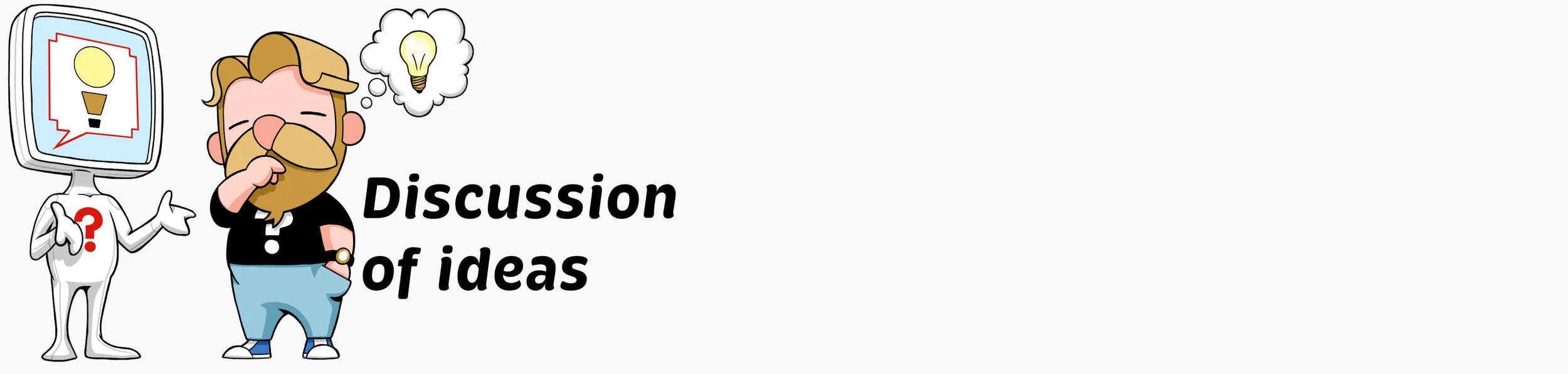
Discussing the project between the salesperson or the client and the illustrator is the first stage in reining in the wild imagination of your average illustrator.
If you were to say to me: "I need a picture of a singing duck" my creative mind is already creating that image in my head and attempting to work out how that idea would translate into artwork I can create.
Getting as many details to the illustrator as possible at this stage is crucial when it comes to steering our creative energy, as, for example; there is no need to dedicate thought to a heavy metal, bat-biting duck in the style of Daffy Duck, if the client actually wants an operatic duck in the art style of Winnie the Pooh.
Unless a brief is supplied, this initial discussion can make sure the project is going down the correct path from the start, and the more information supplied, the less chance there is of getting lost along the way.
Inspiration
The illustrator will naturally draw on inspiration gained through their own experience, but any material sent from the client can be very helpful at this stage, or even essential if they want us to follow a particular creative direction or mimic a preferred art style.
It could be that the client is unsure what they're truly looking for but remembers something they enjoyed from their childhood, enjoyed the visual aesthetics of something their own child might currently be consuming, or just saw something that inspired them.
Any visuals, links, or even a mood board can be very welcome at this stage. The client shouldn't be afraid to name-drop, if they've seen an advertising campaign or art style that particularly spoke to them, we can create something similar in-studio.
A recent problem we have encountered with this part of the process is clients sending us AI-generated material.
By feeding prompts in a generative AI program the client is essentially cutting out the entire imagination process between Discussion and Inspiration and cobbling together something close to what they're looking for (made from stolen content) but not quite right either. The illustrator now has to think around this generated image, rather than having the image form naturally in their head, or through development on the drawing tablet. They now have to work out what isn't working with this generated image and redraw something similar… but also different. It slows the process down.
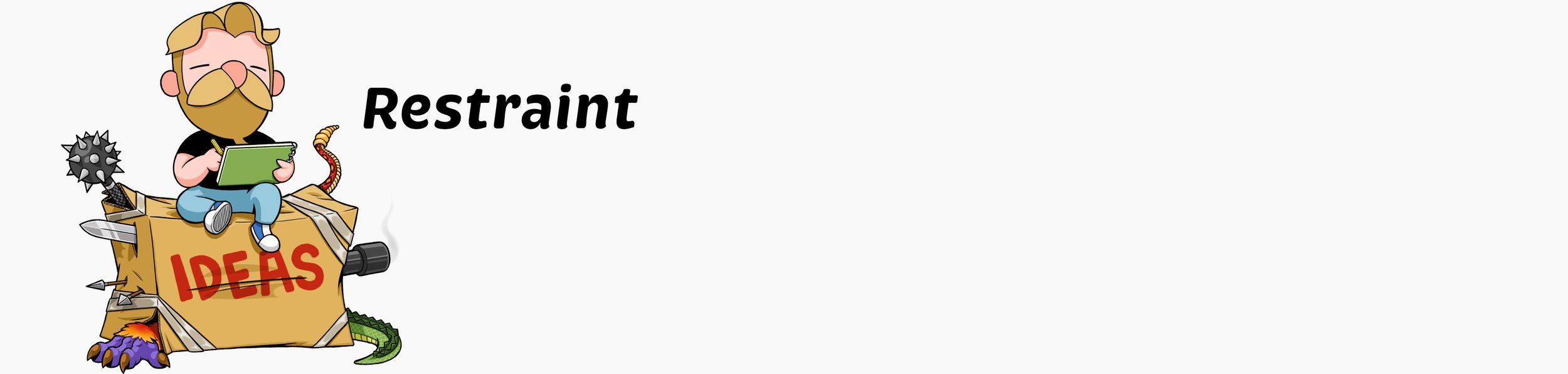
Most illustrators are blessed with a wealth of imagination, but this can actually be a hindrance when creating commercial illustration. Clients more often than not aren't interested in the boundless wonderland of a child's imagination. Instead, they want an approved, brand-safe image that doesn't stray too far from the brand’s corporate values.
This isn't always the case, of course, and the clients that allow us to play around with wilder concepts are the most fun projects to work on, but it's always best to exercise some restraint. Yes, you could create literally anything, but at the end of the day there is a high chance that 'Jim from marketing' is going to have to explain to his boss why he allocated a portion of their budget to this project. If that boss doesn't see his own brand reflected in this project in a positive or at least neutral way, the chances of recurring business with that client drop to zero.
Development
This is often the best part of the project for me personally; playing around with character designs, page concepts and composition, and coming up with ways in which the project theme can fit around fun puzzles.
At this stage, steered by Inspiration and reined in by Restraint, the project can start to take real shape in the form of sketches, thumbnails, and working with a graphic designer to make sure any supplied text or photos can fit nicely alongside these sketches.
Often, I will develop a page breakdown in the form of a series of thumbnail sketches so I can show them to our director, and if approved, the client.
When approved, these sketches are a great resource for the graphic designer and me when we are creating the final artwork, as we need to check how things all fit together and where we can adjust, if necessary. Where the final artwork is the micro, the thumbnails created at this stage are the macro, enabling us to zoom out and make sure everything is following the shape designed.
Confirmation
It is standard procedure to make sure all artwork, activities, and text are checked and confirmed with the managing director before it goes to the client. Lorraine likes to take a hands-on approach when it comes to checking and editing a project to ensure that it meets company standards and is at least semi-legible for a customer who might not be as creatively literate as we are.
Once it has been confirmed by Lorraine that I am on the right track, I will often go back to tidy up or colourise the thumbnail sketches, so they are easier to interpret by the customer.
It is often a good idea to have another member of the studio team glance over your work at this stage, although if we are very busy that is a luxury we can't always afford. As I often work with a designer, usually at least one other person has seen my work by this stage.
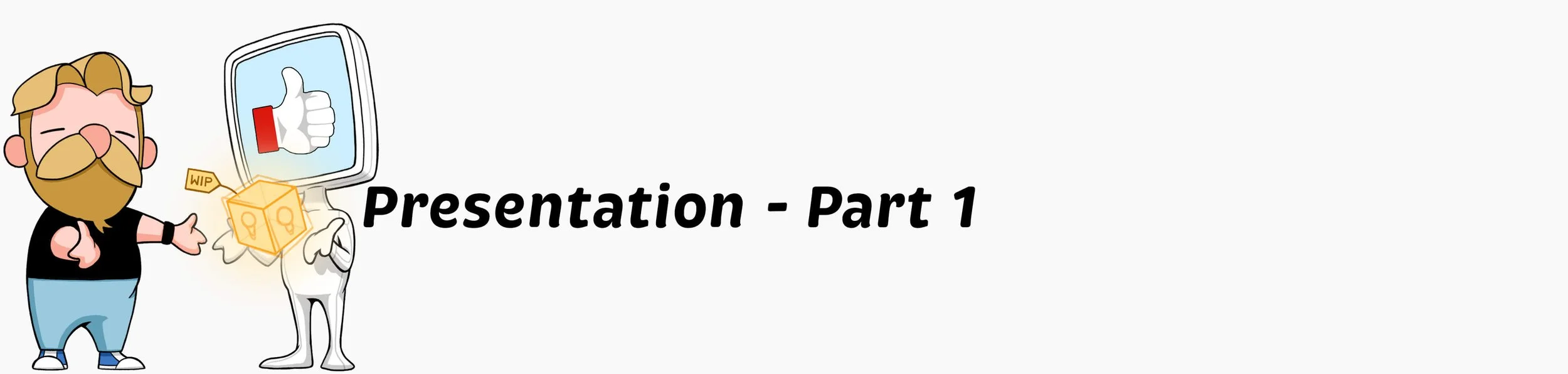
Once ready, it is time to contact the client and show them your work. As mentioned, the thumbnails can be difficult to decipher at the scale and level of completeness I send them (it is illogical to spend too much time on rough sketches and thumbnails, this is time better allocated to the final artwork).
I usually supply a written breakdown of each page, its theme, characters, and puzzles in the email to accompany the artwork.
If approved, this can also provide a good reference sheet for the designer, as they can copy/paste the descriptions of each page into the prototype project as text placement.
If the stars align, the customer will be thrilled with your proposals and the project can steam ahead as planned, but it is rarely the case that they will have no input at all.
The illustrator/designer will need to absorb and understand the feedback provided and adapt the project to fit these new parameters. These can be direct instructions, such as text changes or removing an unsuitable puzzle, or they can be expressing a more subtle feeling that the page somehow isn't working as they imagined.
It is usually during this stage, and further conversation with the client, that their true vision for the project (if indeed they had one) comes to light. We often say in the studio that 'the client doesn't know what they want, until they see it' and this often proves to be quite literal.
As mentioned at the head of this article, the project simply starts off as an idea, often a vague one, and although the customer has come to us to shape that idea, the result of the project being formed by multiple minds might not fit that shape any more. At this point, it is our job to adapt the project and iterate on ideas and statements from the client to fit that shape.
Compromise
In the process of doing this, the illustrator/designer might have to compromise their vision of how the project was intended to work or look and reach compromises with the client on where their suggestions might not be the best choice in this particular instance.
The former can be disappointing to the creator, but whilst the customer might not always be right, they are paying for this project and will undoubtably know their own customers better than you do. In this case it is better to go with the flow, than to fight too strongly against the current.
Now that all parts of the project have been confirmed from an art point of view, it's time to get stuck in. Text and even puzzles can be altered or adapted at a later stage, but the project will need final artwork, and it's this part that takes the longest.
I like to put on music, or if I am working from home, some droning TV show from the 90s I know so well, it might also be an audiobook, and I put my head down.
Caffeine is an essential part of this process for me, and getting up to make myself a mug of something reminds me to move and stretch, as when focused I can often sit for hours.
I find working from home to be my most productive, as there are no outside distractions, I am surrounded by inspiring images, and I can have my music on in the background. At work, to achieve the same sensory seclusion, I need to use both earbuds and shut myself out, which feels rude, but it is the best way to immerse myself in a project.
Having someone else bring me tea on occasion is lovely though, I can't lie.
Although some projects are sorted within a week, others can last months and absorb a lot of my focus and concentration. It is mentally exhausting work, but seeing your hard work in print is rewarding, and envisioning it being enjoyed by children makes it all worth it.
Streamline
To speed up the process, we have often tried to reduce the sheer volume of illustrations we need to create for a new project, by looking at projects from the past.
Alone, I have 9 years' experience with Colour Heroes and have drawn the same animal or object many times in different styles. Over the years I have drawn many trains, for example, and looking back through my work I can see where I have streamlined the process by cutting out certain details that simply won't be visible in print. This is a great time saver.
After the artwork is complete, it is fairly usual for me to move directly on to a new project that has been sitting in wait, whilst a designer places the art, and cleans up the text.
As one of the major creative minds behind the project, however, I still need to keep space in my brain for this project, as questions will inevitably come up, both from the designer and the client, when they get the first finished proof for review.
If I get too distracted by the development process of a new project, I can lose the creative thread of the previous one, and I might need to tug on that thread should the customer or Lorraine have any last-minute changes.
Check
Once the proofs have been confirmed by the client as good for print, the project must be thoroughly checked, not only by the proofreader, but by you.
Although text and puzzle mistakes will usually be picked up by our in-house checking system, only you will be able to spot any art errors that may have occurred when changing the layout or similar. This can be tricky, as the illustrator may have spent so much time looking at this artwork recently all they can really see of it is the many layers that make up a Photoshop file, but chances are there could be something…
…so, look closely!
Move On
Sometimes the hardest part of a project can be moving on from it mentally, to embrace the new ideas of another project.
Whilst it is refreshing and a relief to be working on something new and drawing in a different style for the next client's idea, the illustrator might still find themselves thinking about the previous project.
Aside from a well-timed holiday, I have found no good way to deal with this particular issue. The more time spent lost between projects, the less time you have to create them. After a long project, I can usually get back on track and focused within a day. Shorter, if the project is particularly inspiring.
The first stages of the commercial illustration process lend themselves to a bit of downtime, where I can give the drawing parts of my brain and body a short break.